
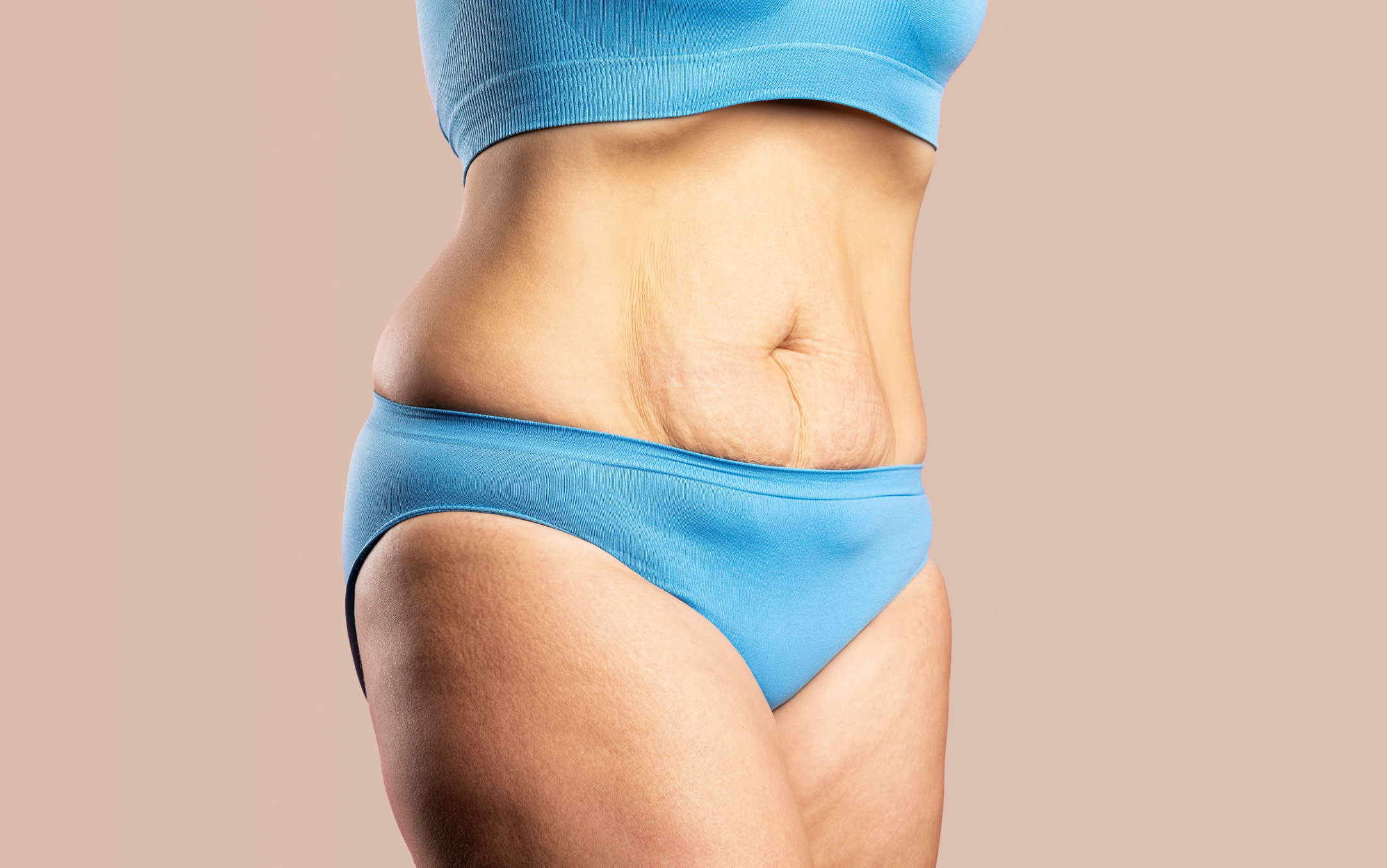
Addressing Excess Skin Following Significant Weight Loss
Achieving significant weight reduction is a major health milestone that can improve physical mobility and quality of life. Whether weight loss is achieved through lifestyle changes, bariatric surgery, or prescribed medications, a common clinical outcome is the presence of loose skin due to weight loss.
At The Lotus Institute, we provide surgical consultations to discuss body contouring options for patients seeking to manage excess skin after weight loss.
Why Does Skin Sag After Weight Reduction?
The skin is an elastic organ that expands to accommodate body mass. This elasticity is provided by collagen and elastin fibres. When the skin remains stretched for an extensive period, these fibres can become damaged and lose their ability to retract fully.
When a person loses a significant amount of weight, the skin after losing weight often lacks the structural integrity to conform to the new, smaller body contour. Factors influencing the severity of skin laxity include the total amount of weight lost, the patient’s age, and genetic skin quality.
Surgical Options for Excess Skin Management
While non-surgical methods may improve muscle tone, they cannot physically remove large amounts of redundant tissue. For patients with significant laxity, loose skin surgery is the primary clinical pathway to lose extra skin after weight loss.
Abdominoplasty (Tummy Tuck)
An abdominoplasty is designed to remove redundant skin and fat from the abdominal region. This procedure can also involve the repair of the underlying abdominal muscles which may have been weakened during weight gain or pregnancy.
Circumferential Lipectomy (Body Lift)
For patients with skin laxity that extends around the entire torso, a circumferential lipectomy addresses the abdomen, outer thighs, and buttock area. This involves a 360-degree incision to remove the “belt” of tissue and is often considered after massive weight loss.
Brachioplasty (Arm Lift)
Significant weight loss often results in loose skin under the upper arms. A brachioplasty removes this hanging tissue to redefine the contour of the arm.
Medial Thigh Lift
Redundant skin on the inner thighs can cause physical discomfort and mobility issues. A thigh lift involves removing skin and fat from the medial thigh area to improve the comfort and contour of the legs.
Mastopexy (Breast Lift)
Weight reduction often leads to a loss of breast volume and significant sagging. A mastopexy involves removing excess skin and reshaping the breast tissue to a more anatomical position.
Clinical Considerations and Patient Suitability
Surgery to address excess skin after weight loss is a significant undertaking that requires careful patient selection and preparation.
- Weight Stability: Patients should ideally maintain a stable weight for at least six to twelve months before proceeding with surgery to ensure optimal results.
- Smoking Cessation: Smoking significantly increases the risk of complications. Patients are required to be non-smokers for a set period before and after the procedure.
- General Health: A thorough medical assessment is required to ensure you are fit for general anaesthesia and the subsequent recovery period.
The Surgical Journey: What to Expect
- Clinical Consultation: An assessment of your medical history and physical concerns. Your surgeon will discuss the most appropriate surgical plan for your specific needs.
- The Procedure: These surgeries are performed under general anaesthesia in an accredited hospital facility.
- Recovery and Risks: Recovery typically involves four to six weeks of restricted activity. It is important to note that all surgery carries risks, including infection, scarring, and haematoma.
Frequently Asked Questions
Does loose skin go away on its own?
Small amounts of skin laxity in younger patients may see some natural retraction. However, for those who have experienced significant weight loss, the skin fibres are usually too damaged to retract fully without surgical intervention.
How much do body contouring procedures cost?
Costs vary depending on the complexity of the surgery and the hospital involved. A formal consultation is required to provide an accurate cost estimate based on your specific clinical needs.
Can I get rid of saggy skin after losing weight without surgery?
Non-surgical treatments like skin moisturisers or resistance training can help improve skin appearance and muscle tone. However, for significant folds of redundant skin, surgery is generally the only effective method for removal.
Related Articles

How to Know if You Are a Candidate for Body Contouring
The number of Australians undergoing body contouring procedures has continued to rise
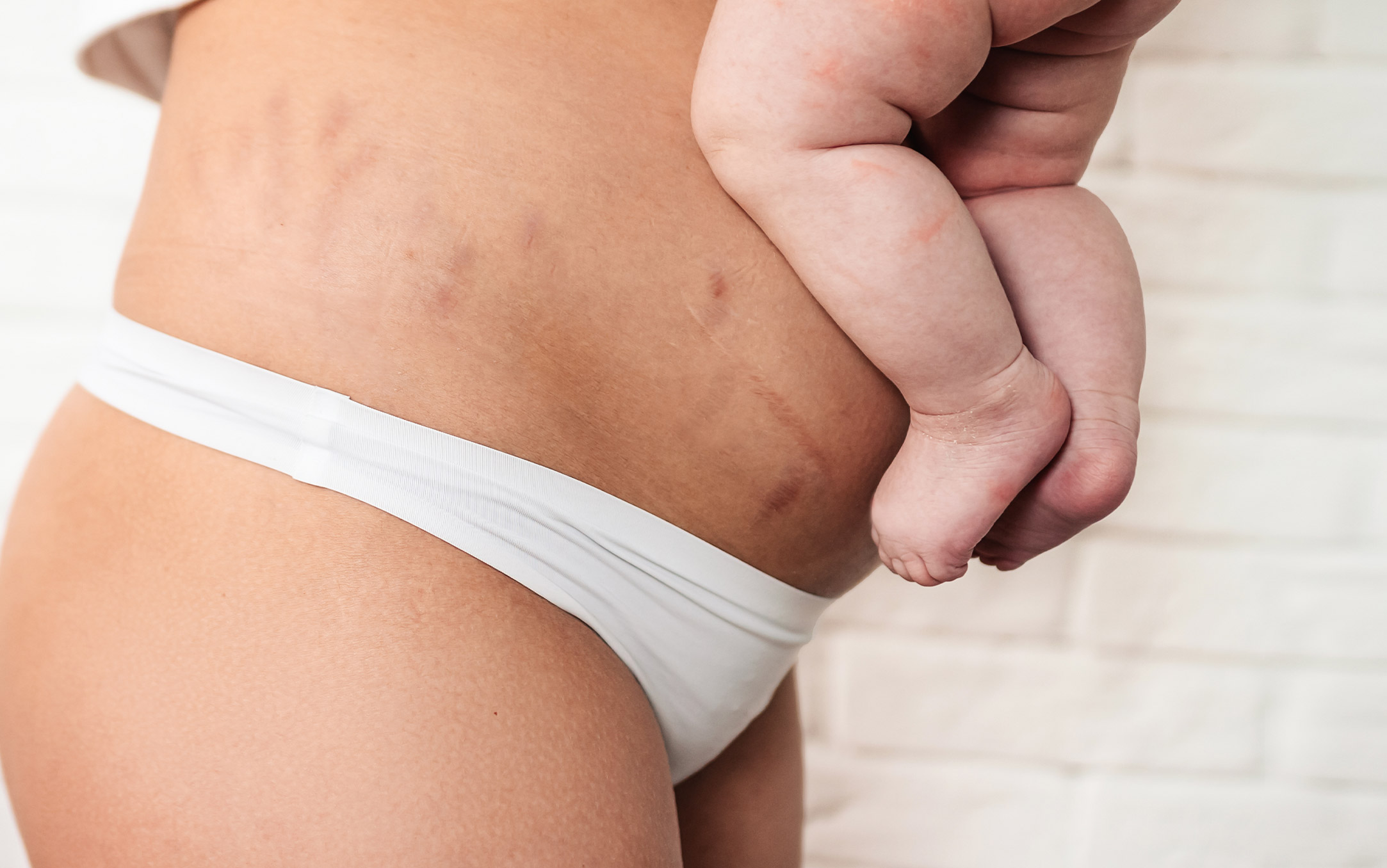
Medicare For Medical Abdominoplasty For Muscle Separation Post Pregnancy
A WIN! From the 1st July 2022 Medicare item number 30175 will
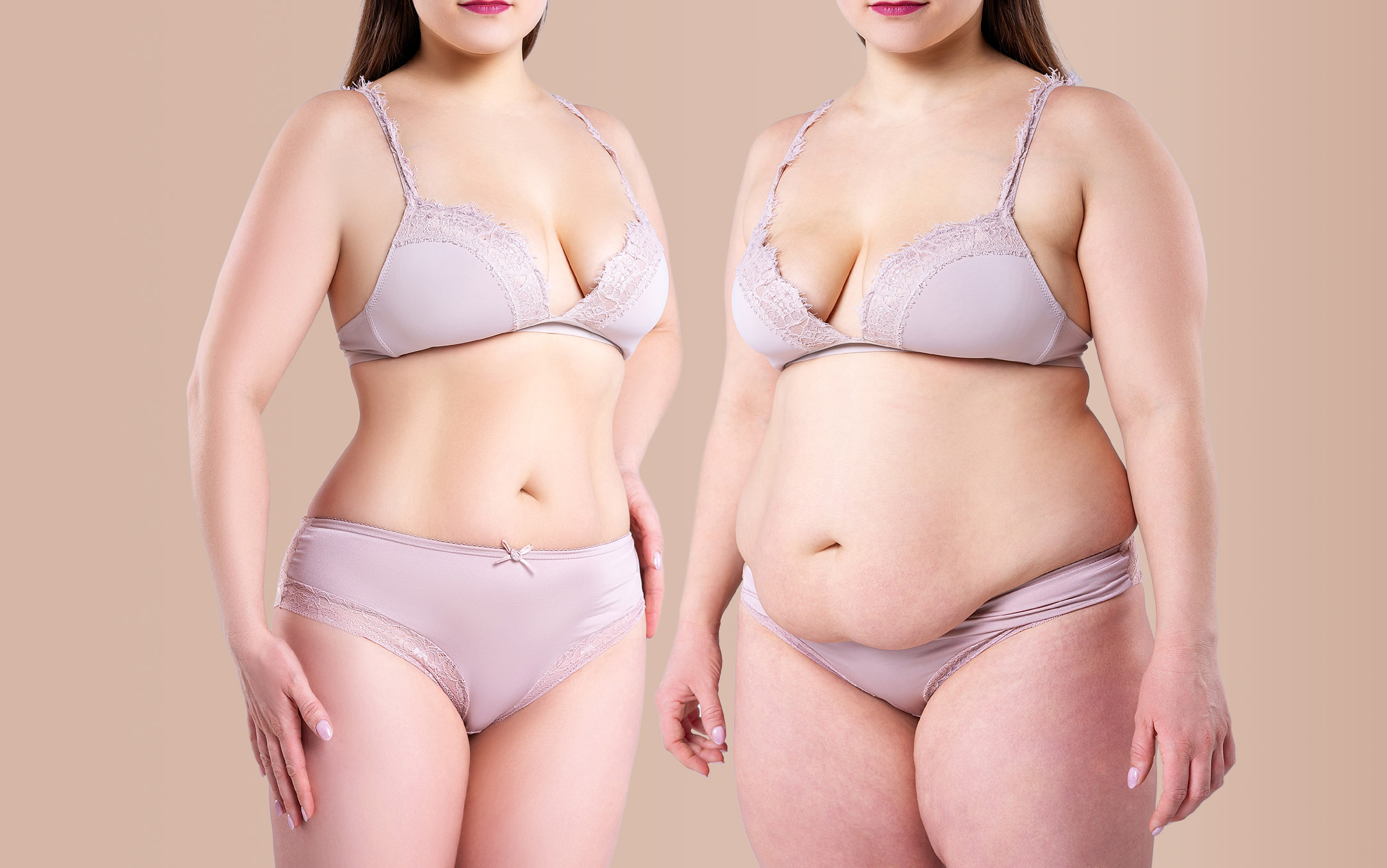
4 Common Questions People Ask Regarding Tummy Tuck (Abdominoplasty) Recovery
Tummy tuck surgery (abdominoplasty) is a popular plastic surgical procedure due to
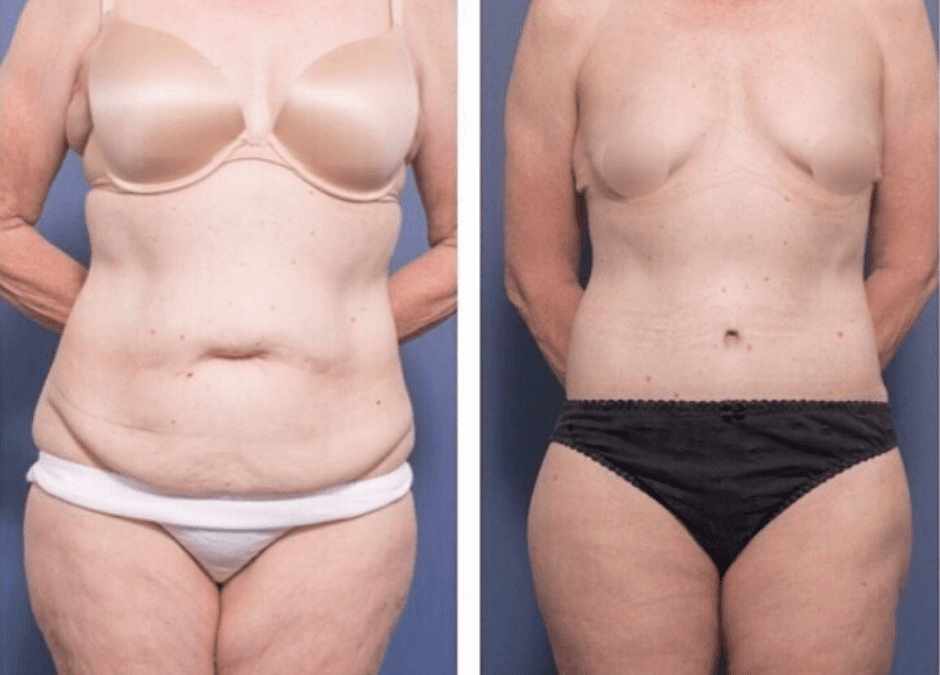
Belt Lipectomy with arm reduction, back bra and thigh lift
This lovely patient in her 50’s underwent a sleeve gastrectomy procedure several