Clinical Excellence and Surgical Ethics: A Conversation with Dr Yez Sheena
Surgical Disclaimer: Any surgical or invasive procedure carries risks. Before proceeding, you should seek a second opinion from an appropriately qualified health practitioner. Results vary between individuals and are not guaranteed.
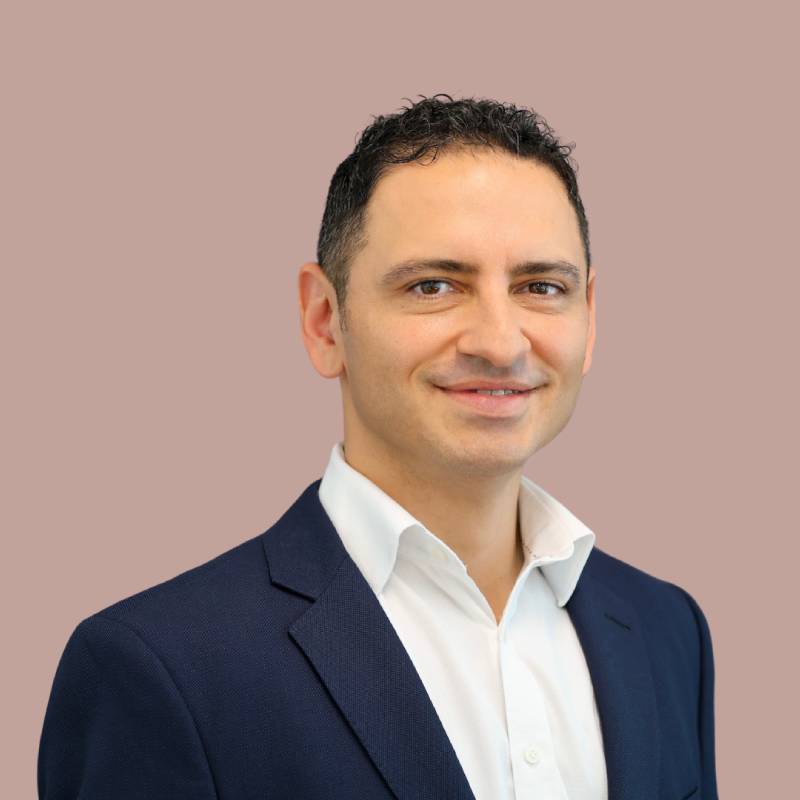
In a recent episode of the Beats ‘n’ Business podcast on Bay FM 99.9, Dr Yez Sheena, a Specialist Plastic and Reconstructive Surgeon at The Lotus Institute, provided a rare look into the personal motivation and professional ethics that define his practice. From the Greek origins of his craft to the complexities of running a specialist clinic, Dr Sheena’s insights highlight why plastic surgery remains one of the most diverse and demanding fields in medicine.
Beyond the Surface: The Philosophy of “Plastikos”
A common public misconception is that “plastic” surgery refers to synthetic materials. Dr Sheena clarifies that the term actually derives from the Greek word plastikos, meaning “to mould and remold”.
This ability to “mould” is what drew Dr Sheena away from his initial interest in neurosurgery. While neurosurgery is a noble field, Dr Sheena sought the “scalp to toes” variety that only plastic surgery offers, treating diverse problems on any part of the body to provide functional restoration and improve quality of life.
Reconstructive Surgery: The Core of the Specialty
While the public often associates the field with “nips and tucks,” cosmetic surgery typically accounts for only 10–15% of a specialist’s work. The bulk of a plastic surgeon’s practice is focused on complex reconstruction, including:
- Skin Cancer Management: Reconstructing defects following the removal of various skin malignancies.
- Breast Reconstruction: A deeply personal area for Dr Sheena, who was inspired by his mother’s early diagnosis of breast cancer. He notes that approximately 20% of the 20,000 breast implants performed annually in Australia are for reconstructive purposes.
- Hand and Trauma Surgery: Treating intricate injuries involving tendons, nerves, and bones.
Restoring Form After Significant Weight Loss
The rise of bariatric surgery and medical weight loss has increased the demand for surgical support. Whether weight loss occurs through gastric banding or medications, the resulting skin redundancy presents unique functional challenges. Dr Sheena applies the philosophy of moulding the anatomy to assist patients in addressing these physical remnants through various clinical interventions.
Midsection concerns are addressed through Abdominoplasty or Circumferential Lipectomy to restore a functional abdominal profile. For the extremities, Brachioplasty and Thighplasty alleviate skin laxity in the arms and thighs that may hinder movement.
Dr Sheena also performs Mastopexy or Breast Reduction to reshape the breasts after volume loss. Furthermore, a Back Lift combined with Liposuction refines posterior contours. In many cases, he utilises autologous fat grafting, harvesting a patient’s own tissue to restore volume naturally. This comprehensive approach ensures each surgical plan is tailored to the individual.
The Reality of Specialist Private Practice
The transition from a hospital setting to private practice involves a steep learning curve that medical schools rarely prepare doctors for.
- The Business Gap: Dr Sheena admits that surgeons are rarely taught the “business side,” such as managing HR, salaries, and overhead costs.
- The Role of Mentorship: Having started his private practice six months prior to the interview, Dr Sheena emphasizes the critical role of mentorship from senior colleagues like Dr Peter Widdowson at The Lotus Institute.
- Professional Support: Organisations like Avant provide essential training suites to help specialists manage business risks and maintain high standards of performance.
Ethics, Empathy, and the “Family Test”
Technical skill is only one half of a surgeon’s responsibility. Dr Sheena identifies humility as an equally vital trait, alongside the mantra to “under-promise and over-deliver”.
His clinical philosophy is anchored in the principle of “First, do no harm”. When recommending any health intervention, he employs the “Family Test”, asking whether he would advocate for that specific procedure for his own wife, mother, or daughter. This commitment to empathy was inspired by mentors like Tim Cooper, who made a point of holding a patient’s hand as they went under anaesthesia, a gesture Dr Sheena believes is essential when caring for a patient’s vulnerability.
The Future of Surgical Precision
Dr Sheena anticipates that the next decade will see a rise in AI-assisted robotics to further reduce human tremor and improve surgical precision. In terms of technique, he discusses high-quality alternatives like autologous fat grafting, where a patient’s own tissue is harvested and purified to restore volume, often as a long-lasting alternative to silicone implants.
About the Author
Dr Yez Sheena is a Specialist Plastic and Reconstructive Surgeon (MED0002184403). He holds fellowships with both the Royal Australasian College of Surgeons (FRACS) and the Royal College of Surgeons of England (FRCS Plast).
Contact The Lotus Institute For formal consultations regarding reconstructive or plastic surgery, contact our Southport clinic at 07 5500 6608 or visit www.lotus-institute.com.au.
Information References
- Beats ‘n’ Business Podcast: Interview with Dr Yez Sheena, March 24, 2026.
- Australian Health Practitioner Regulation Agency (AHPRA): Guidelines for Advertising Regulated Health Services.
- Royal Australasian College of Surgeons (RACS): Specialist Training and Ethics Standards.
- The Lotus Institute: Clinical Scope and Specialist Profiles.
Related Articles
Breast Reduction Surgery
Too much of a good thing? Breast reduction surgery is one of
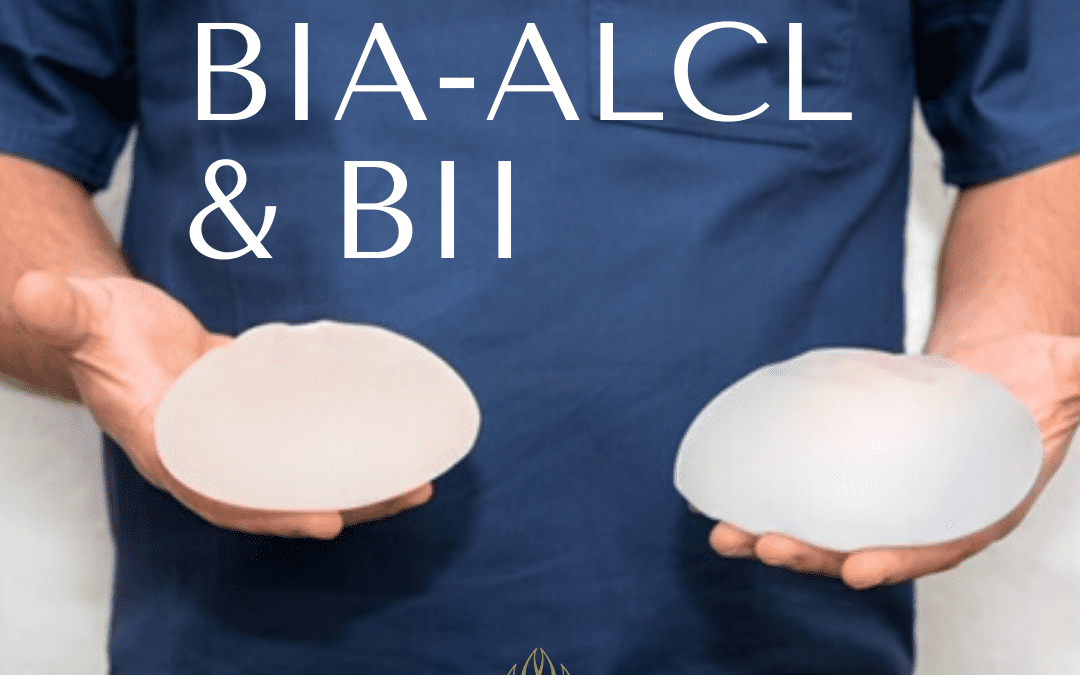
Patient information regarding Breast Implant Associated Anaplastic Large Cell Lymphoma (BIA-ALCL) and Breast Implant Ill (BII)
Important Information for Patients with Textured Breast Implants At The Lotus Institute,

Breast Augmentation Mammaplasty on the Gold Coast
There are many different breast surgery procedures The Lotus Institute, on the

How Can I Stay in Shape After My Breast Augmentation Surgery?
Breast Augmentation is still the most commonly performed cosmetic procedure in Australia.