Losing a lot of weight is hard work, whether it comes through diet and exercise, prescription weight-loss medication or bariatric surgery. For many people, it also leaves loose skin on the thighs after weight loss that exercise and diet cannot shift. That skin can rub, chafe and make walking or training uncomfortable. A thigh lift (thighplasty) is surgery designed to remove some of the excess skin and reshape the thigh. Thigh lift suitability depends on more than the skin, though. Your weight history, general health, smoking status and expectations all count. The plastic surgeons at The Lotus Institute on the Gold Coast, look at each of these when deciding who is a candidate for a thigh lift.
Why loose skin on the thighs often stays after weight loss
Skin stretches to cover a larger body. When weight comes off quickly or in large amounts, such as after bariatric surgery or while using weight-loss medication, stretched skin may not shrink back. The inner thigh is a common problem area, with folds that can hang from the groin towards the knee. Strength training can build the muscle under the skin. It cannot remove skin that has already been stretched. Our guide to loose skin after weight loss explains why this happens across the body.
Signs you may be a suitable candidate
There is no single test for thigh lift suitability. Several factors are weighed together. You may be a suitable candidate if:
- your weight has been stable, near your goal, for at least six months
- loose skin on the inner or outer thighs causes chafing, rashes or discomfort, or affects how clothes fit
- you do not smoke, or you can stop all nicotine products for at least six weeks before and after surgery
- you have no medical condition that affects healing or makes a general anaesthetic unsafe
- you accept that a thigh lift leaves permanent scars
Meeting every point is no guarantee. Final suitability is decided at a face-to-face consultation.
Why stable weight matters
The Lotus Institute asks that your weight has been stable near your target BMI for at least six months before thigh lift surgery. The reason is simple. If you keep losing weight after surgery, new loose skin can form, and regaining weight can stretch the thighs again.
Weight often keeps falling for some time after bariatric surgery or once you start a weight-loss medication, so skin removal is usually planned only once the scales have settled. If you are taking a weight-loss medication, your surgeon will also ask whether you plan to keep taking it, as weight can change if the dose is adjusted or the medicine is stopped. Bring a record of your weight over the past year to your consultation. It makes this part of the assessment easier.
Health factors that can affect suitability
Smoking affects healing. The Australian Society of Plastic Surgeons links smoking with slow healing. Patients at The Lotus Institute are asked to avoid smoking and all nicotine products for at least six weeks before and after surgery.
Wound healing matters a great deal on the thighs. The skin here moves constantly as you walk and sit. Wound separation, infection, fluid build-up (seroma) and wider scars are among the risks your surgeon will discuss with you.
Tell your surgeon about every medicine and supplement you take, including naturopathic products. Some, such as aspirin and anti-inflammatory medicines, may need to be stopped before surgery. If you take a prescription weight-loss medication, tell your surgeon and anaesthetist, as some of these medicines slow how quickly the stomach empties and may need to be paused before a general anaesthetic. You may also need blood tests or other checks first.
Which type of thigh lift may suit you
The right approach depends on where the loose skin sits and how much there is. Options at The Lotus Institute include:
- Crescent inner thigh lift: for a smaller amount of loose skin at the top of the inner thigh
- Vertical inner thigh lift: for loose skin running further down the inner thigh towards the knee
- Outer (lateral) thigh lift: for sagging on the outer thigh
- Thigh lift with liposuction: for areas with excess fat as well as loose skin
Liposuction on its own may suit skin that still has good elasticity. After major weight loss, skin often has less elasticity, so removing skin is usually part of the plan.
Some people have loose skin around the hips, buttocks and abdomen as well as the thighs. In that case a body lift or circumferential belt lipectomy may be discussed first, with thigh contouring after weight loss planned as a separate stage.
When a thigh lift may not be the right choice
A thigh lift may not suit you right now if:
- you are still losing weight
- you smoke and are not ready to stop
- you have a bleeding disorder, poor healing or another condition that makes surgery high risk
- you expect no scars or perfectly matching legs
- you cannot take time off work or pause exercise for several weeks
Being turned down now does not always mean never. Some people return once their weight has settled or their health has improved.
What recovery asks of you
Recovery is a real commitment, so it belongs in any suitability discussion. At The Lotus Institute, thigh lift surgery is performed under general anaesthetic in an accredited private hospital on the Gold Coast. Most patients stay one to two nights.
After surgery you wear a compression garment day and night for six to eight weeks. For six weeks, avoid wide leg movements, deep squats, heavy lifting, hard exercise and driving. Most patients need two to three weeks off a desk job. Physical work takes longer. Swelling settles and scars mature over 12 to 18 months.
Referral, cooling-off and Medicare
You need a written referral from your GP before your consultation at The Lotus Institute.
Medicare does not cover cosmetic surgery. It may contribute when excess skin causes functional problems. MBS item 30169 covers removal of redundant non-abdominal skin after significant weight loss. It requires a loss of at least 5 BMI points and stable weight for at least six months before surgery. Eligibility is checked at your consultation, and out-of-pocket costs still apply. More detail is in our article on Medicare item numbers.
If your thigh lift is cosmetic, there is a cooling-off period of at least seven days after your consultation before surgery can be booked, in line with the Medical Board of Australia’s cosmetic surgery guidelines. If a Medicare item number such as 30169 applies, the surgery is treated as a medical procedure rather than cosmetic surgery, and this cooling-off period does not apply. Your surgeon will confirm which applies to you at your consultation.
Talking to a plastic surgeon about your thighs
At The Lotus Institute, excess skin thigh surgery is carried out by our plastic surgeons, Dr Peter Widdowson and Dr Yezen Sheena, who both hold FRACS (Plast) qualifications.
Bring your GP referral, your weight history, details of any bariatric surgery or weight-loss medication and a list of your medicines. Your surgeon will examine the skin, talk through the options and explain the risks. If loose skin affects other areas too, you can read about our wider post weight loss surgery options.
Frequently asked questions
Book a consultation
If loose skin on your thighs is affecting your comfort, the first step is a GP referral. Then contact The Lotus Institute on 07 5509 4488 to arrange a consultation at our Gold Coast clinic.
This article provides general information only and is not a substitute for personal medical advice. Any surgical or invasive procedure carries risks. Before proceeding, you should seek a second opinion from an appropriately qualified health practitioner. Suitability for surgery can only be determined at consultation.
Related Articles
The difference between a Cosmetic Surgeon and a Plastic Surgeon
The Lotus Institute Plastic Surgeon So whats the difference? Currently in Australia,
Abdominoplasty After Having Kids
A woman’s body will go through many changes in one lifetime. The
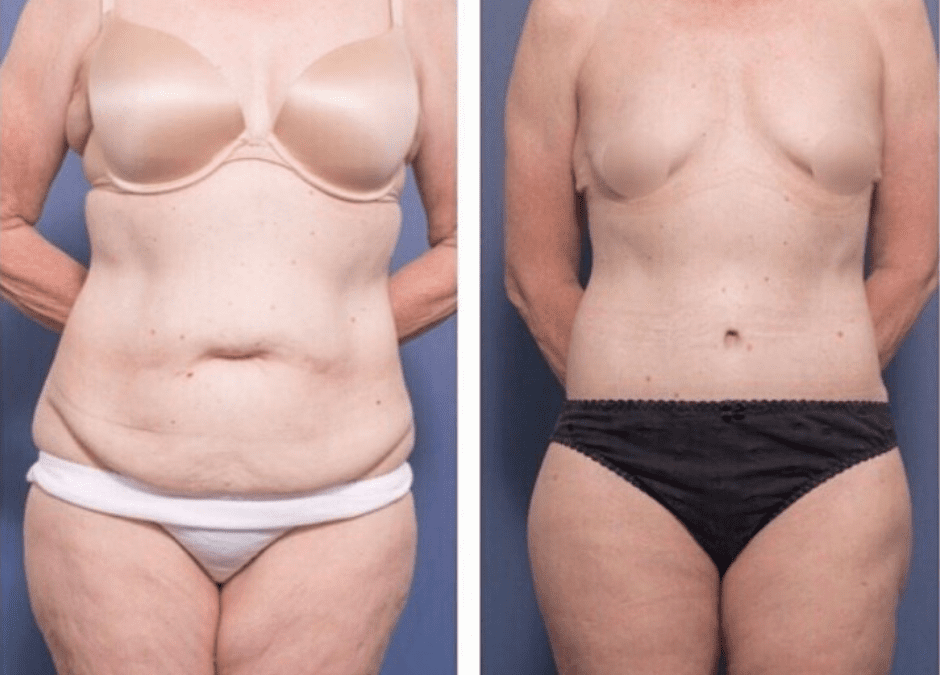
Belt Lipectomy with arm reduction, back bra and thigh lift
This lovely patient in her 50’s underwent a sleeve gastrectomy procedure several
How to Know if You Are a Candidate for Body Contouring
The number of Australians undergoing body contouring procedures has continued to rise